
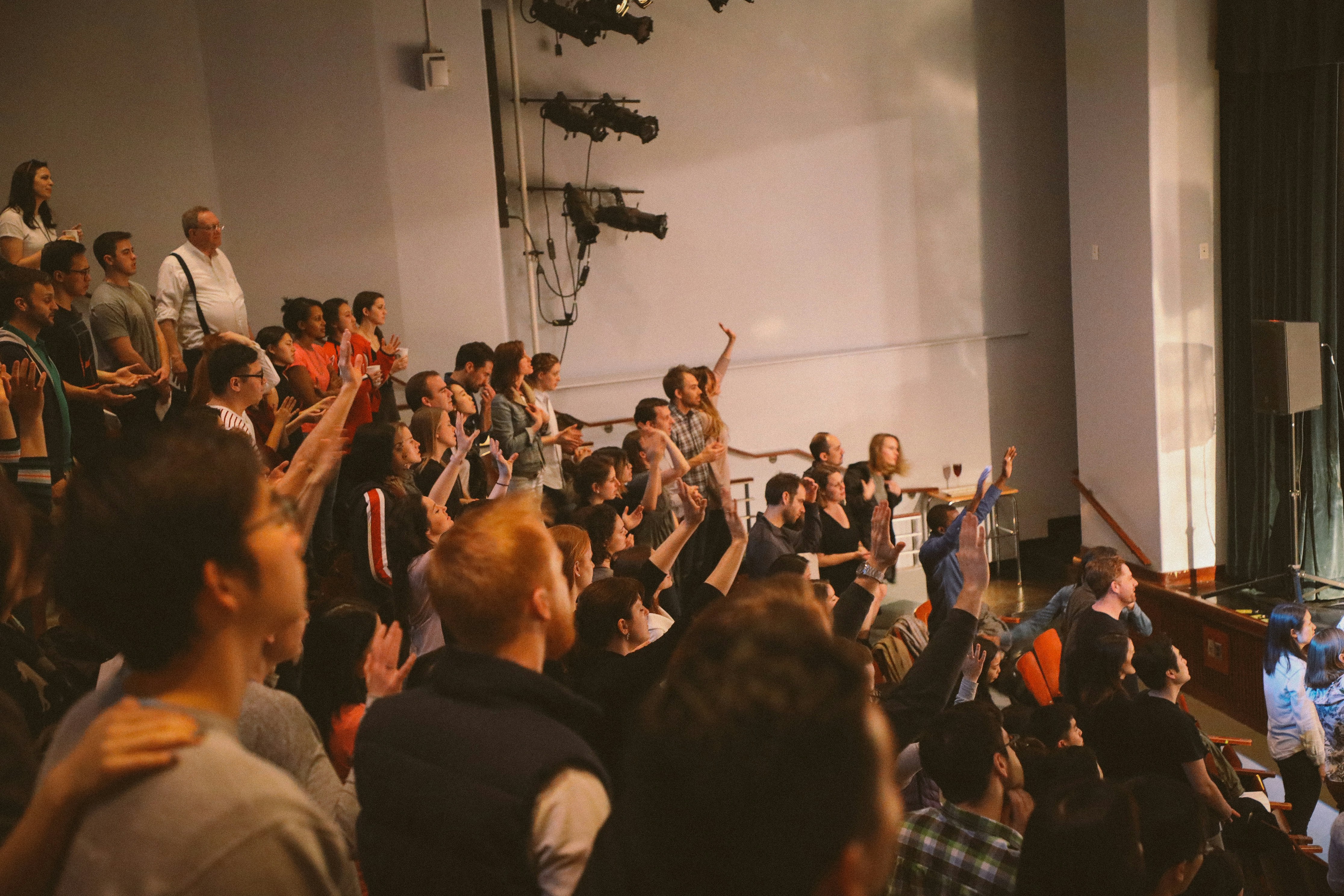
You're not the only one who's had enough.
The fringe 7% of voters select 87% of Congress. This is why our Congress is dysfunctional. We are building a movement and a digital platform that empower America's middle majority to organize effectively, to restore representative democracy and Congress' constitutional responsibility.
Don't settle for this. The Middle Majority Movement is empowering people like you coordinate with others in your area to elect candidates who are truly representative of the majority. Join us!
You're not the only one who's had enough.
The fringe 7% of voters select 87% of Congress. This is why our Congress is dysfunctional. We are building a movement and a digital platform that empower America's middle majority to organize effectively, to restore representative democracy and Congress' constitutional responsibility.
Don't settle for this. The Middle Majority Movement is empowering people like you coordinate with others in your area to elect candidates who are truly representative of the majority. Join us!
You're not the only one who's had enough.
7% of voters choose 87% of Congress. That isn't representative democracy—it's a tiny, organized minority deciding who governs everyone else.
Don't settle for this. The Middle Majority Movement is helping people like you coordinate with others in your area to elect candidates that are truly representative. Join us!
Our Mission
To restore representation to America’s forgotten majority by activating its latent agency and power, thereby to restore Congress and State legislatures to their proper roles as effective and Constitutionally responsible branches of government.
Where The Dysfunction Comes From
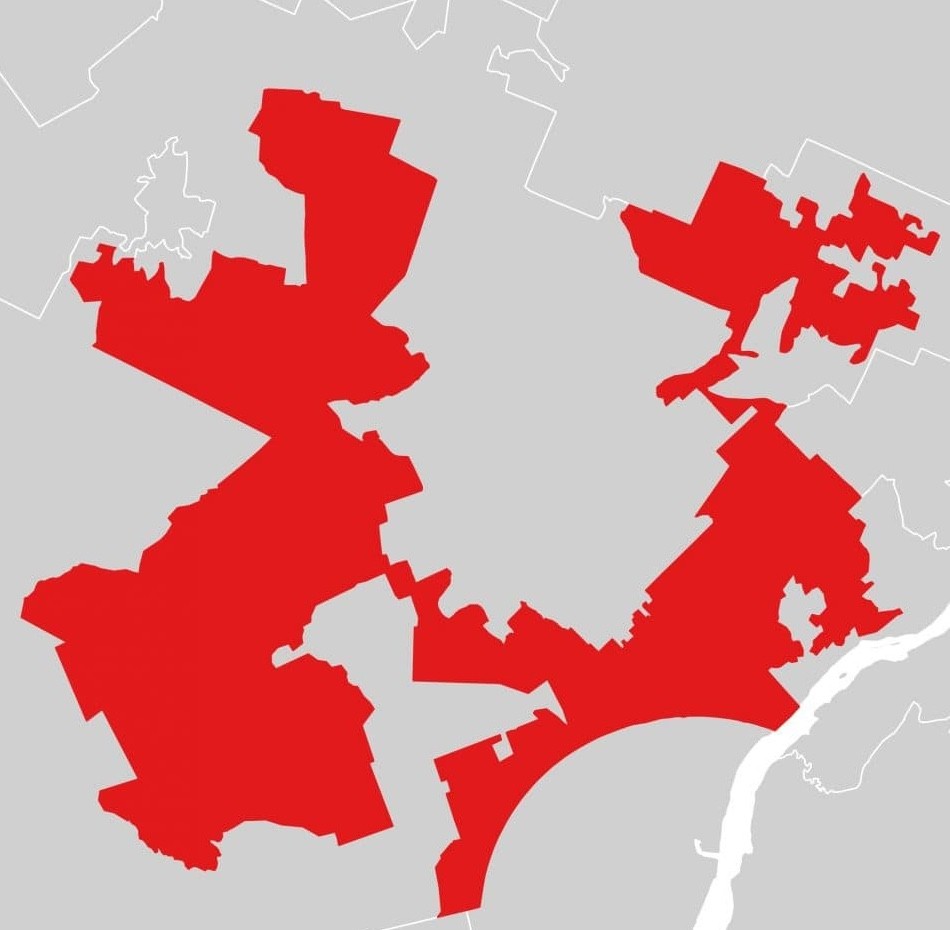
The Rules Are Rigged
Gerrymandering has made more than 80% of congressional districts "safe" for one party, meaning the general election is essentially decided before it happens.
The only contest that matters is the primary, where turnout is tiny—sometimes as low as 5% of registered voters.
A small, activated minority effectively chooses who represents everyone else.
The Rules Are Rigged
Gerrymandering has made more than 80% of congressional districts "safe" for one party, meaning the general election is essentially decided before it happens.
The only contest that matters is the primary, where turnout is tiny—sometimes as low as 5% of registered voters.
A small, activated minority effectively chooses who represents everyone else.
The Rules Are Rigged
Gerrymandering has made more than 80% of congressional districts "safe" for one party, meaning the general election is essentially decided before it happens.
The only contest that matters is the primary, where turnout is tiny—sometimes as low as 5% of registered voters.
A small, activated minority effectively chooses who represents everyone else.
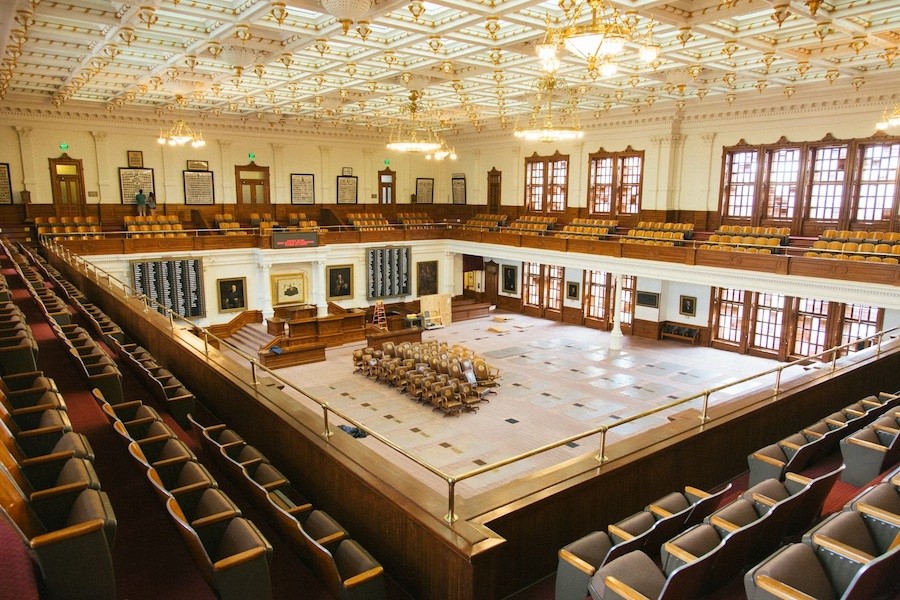
Politicians Answer To The Wrong People
Incumbents in safe districts don't fear losing the general election, they fear primary challengers from their own base.
That fear drives every vote, every statement, every compromise they refuse to make.
The result: leaders who serve their donors and their activist base, not the majority of their constituents.
Politicians Answer To The Wrong People
Incumbents in safe districts don't fear losing the general election, they fear primary challengers from their own base.
That fear drives every vote, every statement, every compromise they refuse to make.
The result: leaders who serve their donors and their activist base, not the majority of their constituents.
Politicians Answer To The Wrong People
Incumbents in safe districts don't fear losing the general election, they fear primary challengers from their own base.
That fear drives every vote, every statement, every compromise they refuse to make.
The result: leaders who serve their donors and their activist base, not the majority of their constituents.
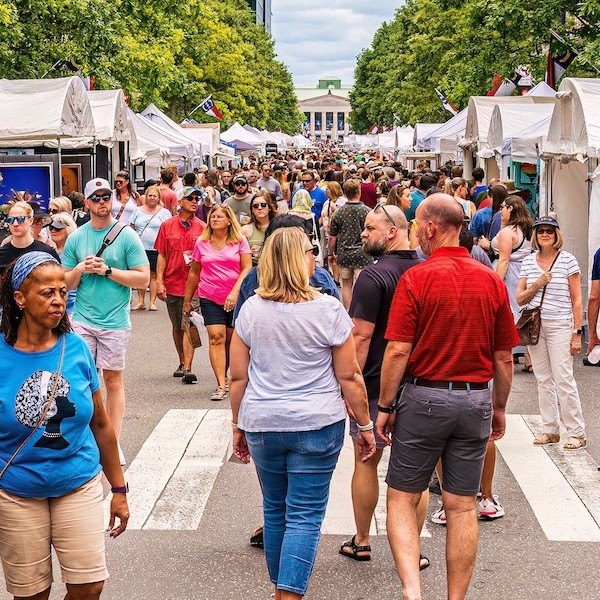
The Majority Pays the Price
Americans have been promised change, again and again. What they get is gridlock, culture war, and political theater.
Kitchen-table issues like jobs, healthcare, housing, and schools go unaddressed because solving them requires working across the aisle.
This is not a failure of the American people. It is a failure of the system both parties have built.
The Majority Pays the Price
Americans have been promised change, again and again. What they get is gridlock, culture war, and political theater.
Kitchen-table issues like jobs, healthcare, housing, and schools go unaddressed because solving them requires working across the aisle.
This is not a failure of the American people. It is a failure of the system both parties have built.
The Majority Pays the Price
Americans have been promised change, again and again. What they get is gridlock, culture war, and political theater.
Kitchen-table issues like jobs, healthcare, housing, and schools go unaddressed because solving them requires working across the aisle.
This is not a failure of the American people. It is a failure of the system both parties have built.
The Middle Majority Movement Is The Solution

The Civic Infrastructure Already Exists
Every congressional district contains organizations whose members collectively outnumber the activist minority that decides primaries.
Churches, unions, business associations, neighborhood groups, and professional networks already share more priorities than they realize.
If these organizations were to identify their common interests, identify candidates who truly represent them, and mobilize their members to vote for a collectively agreed candidate, they could easily nominate candidates who genuinely represent their concerns.
The Civic Infrastructure Already Exists
Every congressional district contains organizations whose members collectively outnumber the activist minority that decides primaries.
Churches, unions, business associations, neighborhood groups, and professional networks already share more priorities than they realize.
If these organizations were to identify their common interests, identify candidates who truly represent them, and mobilize their members to vote for a collectively agreed candidate, they could easily nominate candidates who genuinely represent their concerns.
The Civic Infrastructure Already Exists
Every congressional district contains organizations whose members collectively outnumber the activist minority that decides primaries.
Churches, unions, business associations, neighborhood groups, and professional networks already share more priorities than they realize.
If these organizations were to identify their common interests, identify candidates who truly represent them, and mobilize their members to vote for a collectively agreed candidate, they could easily nominate candidates who genuinely represent their concerns.
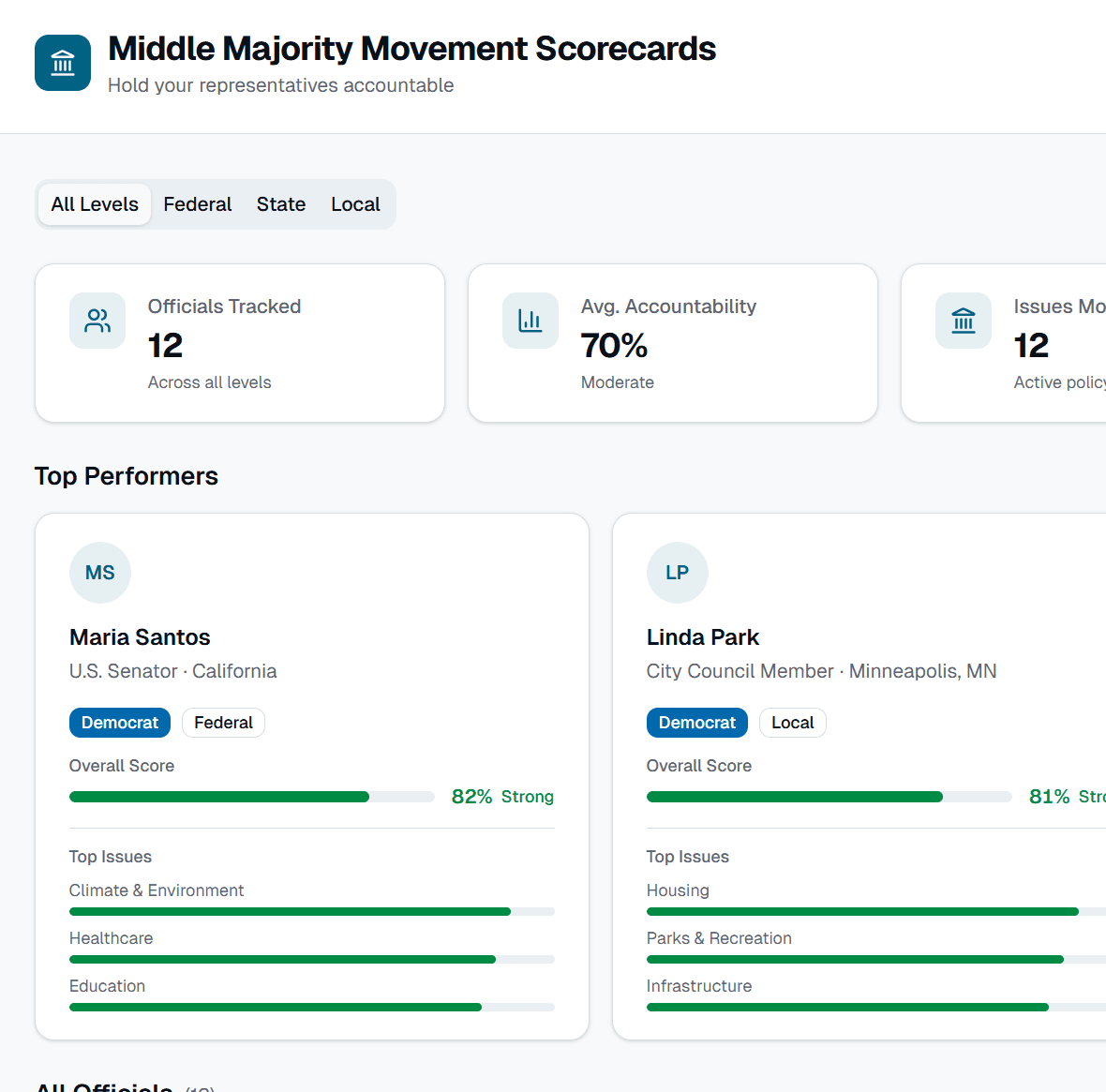
We give them the tools to act together.
MMM's digital platform lets civic organizations across a district find each other and build consensus around shared priorities.
Organizations evaluate candidates against those priorities and coordinate around a single choice without surrendering their independence or identity.
The result is a unified bloc that no candidate in a primary can afford to ignore.
We give them the tools to act together.
MMM's digital platform lets civic organizations across a district find each other and build consensus around shared priorities.
Organizations evaluate candidates against those priorities and coordinate around a single choice without surrendering their independence or identity.
The result is a unified bloc that no candidate in a primary can afford to ignore.
We give them the tools to act together.
MMM's digital platform lets civic organizations across a district find each other and build consensus around shared priorities.
Organizations evaluate candidates against those priorities and coordinate around a single choice without surrendering their independence or identity.
The result is a unified bloc that no candidate in a primary can afford to ignore.
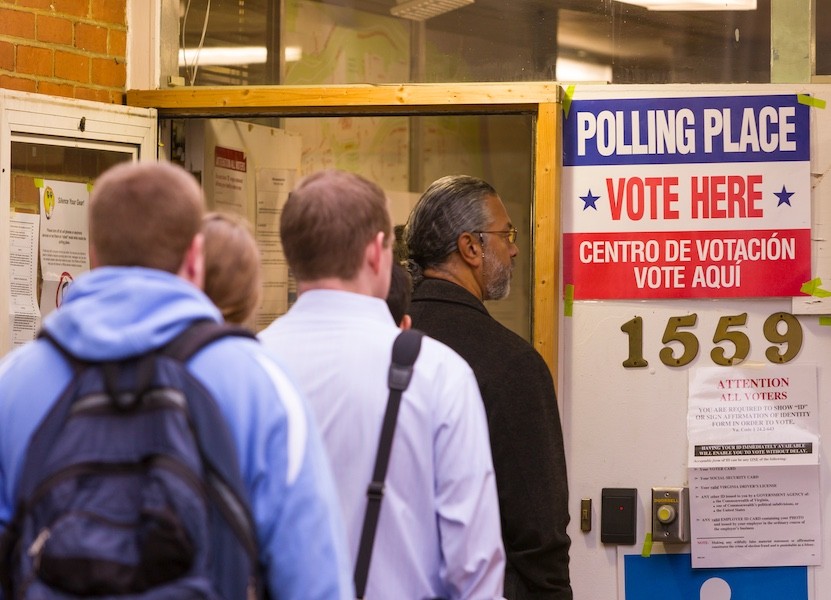
A few thousand coordinated votes changes everything.
A primary in a safe congressional district can be decided by five thousand votes or fewer.
When civic organizations mobilize their members together, they don't just win a race, they change what politicians have to do to keep their jobs.
The incentive structure flips. The majority becomes impossible to ignore.
A few thousand coordinated votes changes everything.
A primary in a safe congressional district can be decided by five thousand votes or fewer.
When civic organizations mobilize their members together, they don't just win a race, they change what politicians have to do to keep their jobs.
The incentive structure flips. The majority becomes impossible to ignore.
A few thousand coordinated votes changes everything.
A primary in a safe congressional district can be decided by five thousand votes or fewer.
When civic organizations mobilize their members together, they don't just win a race, they change what politicians have to do to keep their jobs.
The incentive structure flips. The majority becomes impossible to ignore.
The window is 2026. It will not stay open.
All 435 House seats are in play this cycle. Primary season has begun. We are proving the model in four to six congressional districts — demonstrating that coordinated civic organizations can replace ineffective incumbents with representatives who actually answer to the majority.
If it works, we scale it nationwide. If it doesn't, we document what we learned and find another way.
We are not asking everyone for the same thing. We are asking everyone who believes in this for something.